What Is ECU Remapping and Is It Worth It?
- Torxtuning

- Jun 6
- 6 min read
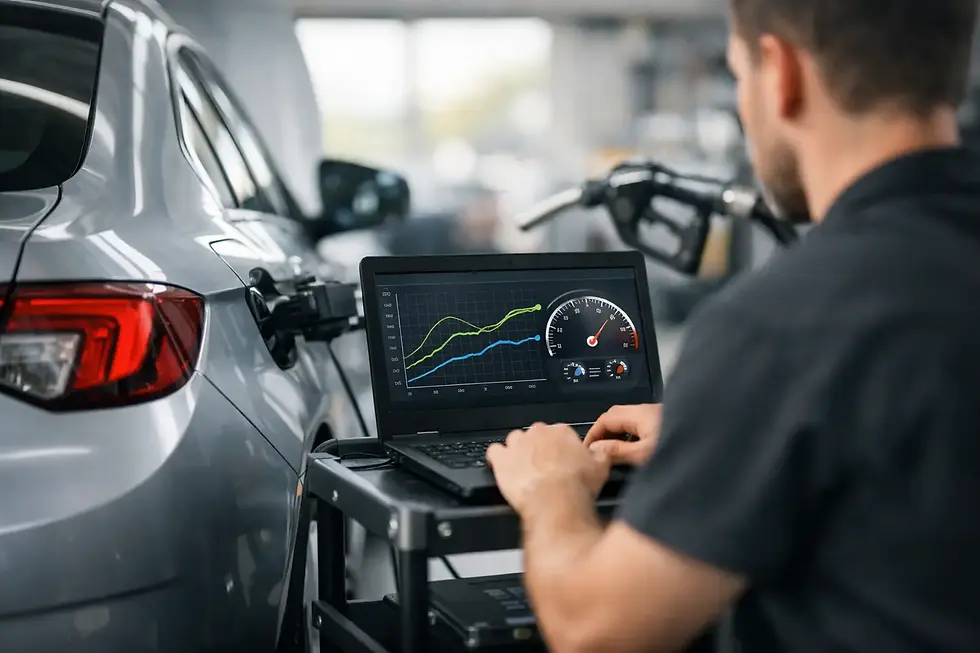
If your car feels flat in the mid-range, your van struggles when loaded, or you know the engine has more to give than the factory setup allows, you have probably asked: what is ECU remapping? In simple terms, it is the process of adjusting the software inside the engine control unit so the vehicle delivers power, torque and efficiency differently. Done properly, it can transform how a vehicle drives without changing physical parts.
That sounds straightforward, but there is more to it than plugging in a laptop and chasing a bigger number. A proper remap is software calibration work. It changes how the ECU manages fuelling, boost pressure, ignition timing, torque request, throttle response and, on some vehicles, related systems that shape drivability. The result should not just be more performance on paper. It should feel cleaner, stronger and better suited to how the vehicle is actually used.
What is ECU remapping in practical terms?
The ECU is the engine's control centre. It monitors data from sensors across the vehicle and uses that information to decide how the engine should run under different loads, speeds and temperatures. Manufacturers set these parameters with broad priorities in mind. They need one calibration to cover different markets, fuel quality, emissions targets, climates and driver types.
That factory software is often conservative. It has to be. A manufacturer is building for the widest possible audience, not for your specific car, your local driving conditions or the way you use it every day.
ECU remapping means reading the existing software, adjusting key calibration tables and writing the revised file back to the ECU. On a turbo petrol or turbo diesel engine, this can release meaningful gains because the factory map usually leaves a margin in reserve. On naturally aspirated engines, gains are normally smaller, but throttle response and power delivery can still improve.
For many drivers, the biggest difference is not peak BHP. It is torque. A well-calibrated remap can make the vehicle pull harder from lower revs, reduce flat spots and improve flexibility in everyday driving. That matters just as much on a family hatchback or working van as it does on a performance car.
How does ECU remapping work?
The process starts with the vehicle itself, not the sales pitch. Before any software changes are made, the right approach is to check the health of the engine and supporting systems. If there are boost leaks, injector issues, gearbox faults or existing fault codes, remapping around those problems is poor practice.
Once the vehicle is confirmed to be in good order, the original ECU software is read using specialist tools. Depending on the platform, that may be done through the diagnostic port or directly on the bench. Modern control units such as Bosch MD1 and MG1 often require more advanced methods and experience than older ECUs.
The file is then calibrated. That means altering the relevant maps inside the software rather than applying a generic setting blindly. These maps can include boost control, torque limiters, driver demand, fuelling, rail pressure and ignition strategy. On vehicles with automatic gearboxes, gearbox software can also play a major part in how the extra torque is delivered.
After the revised file is written back, the vehicle is tested and checked. The aim is smooth, safe, repeatable performance. Good tuning is not about making the car feel aggressive for five minutes. It is about delivering gains that remain usable and dependable.
Why manufacturers leave performance on the table
A common question is why the vehicle was not built like this in the first place. The answer is that manufacturers are not tuning for one owner in Bedfordshire or Buckinghamshire. They are tuning for mass production across multiple countries and operating conditions.
They also build different power outputs from the same engine. It is common to see one engine platform sold in several states of tune, with software being one of the main differences between them. That creates room for sensible optimisation.
There are also commercial reasons for conservative mapping. Long service intervals, emissions compliance, fuel quality variation, gearbox protection strategies and fleet-use expectations all influence the factory calibration. A remap narrows the focus and tailors the software to the vehicle's real use.
What can you gain from an ECU remap?
The honest answer is: it depends on the vehicle. Turbocharged petrol and diesel engines usually see the biggest gains. Some vehicles respond dramatically, while others improve in a more subtle but still worthwhile way.
Power and torque are the obvious benefits. Stronger acceleration, better overtaking performance and improved pulling power under load are what most drivers notice first. For van owners and commercial users, that extra low-down torque can make the vehicle easier and less tiring to drive, especially when carrying tools, stock or equipment.
Fuel economy can also improve, but only when the vehicle is driven sensibly. A better torque curve often means less throttle input is needed in normal driving. If you use the added performance all the time, do not expect lower fuel bills. The map can improve efficiency potential, but driving style still decides the outcome.
Drivability is often the biggest win. This is where a professional remap earns its value. Sharper throttle response, smoother power delivery, less hesitation and better part-throttle behaviour can make the vehicle feel more complete rather than merely faster.
Is ECU remapping safe?
This is the right question to ask, and the answer again comes down to how the work is carried out. A proper remap on a healthy vehicle is generally safe when the software remains within sensible operating limits. Poor tuning, however, can create real problems.
The risks usually come from chasing unrealistic figures, using low-quality generic files or ignoring the condition of the engine, turbo, clutch or gearbox. More torque than a worn clutch can handle is not a tuning success. Nor is a diesel with underlying DPF or EGR faults being pushed harder than it should be.
That is why diagnostics matter. A trustworthy tuner should be prepared to say no if the vehicle is not ready. Health checks, fault-code scans and a realistic conversation about expected gains are part of the job. Reassurance should come from process and technical competence, not from vague promises.
What is ECU remapping for petrol and diesel vehicles?
The principle is the same, but the results and calibration priorities differ. On turbo petrol cars, remapping often improves boost delivery, torque build-up and throttle response. It can make the vehicle feel more urgent and more refined at the same time.
On turbo diesel vehicles, the improvement is often most noticeable in mid-range torque. That is why diesel remapping is so popular with van owners and drivers who cover high mileage. The vehicle feels less strained and more capable in normal road use.
For naturally aspirated petrol engines, expectations need to be realistic. Software alone cannot create turbo-style gains where the hardware does not support them. In those cases, remapping is usually more about sharpening the driving experience than producing large peak-power increases.
Is a remap legal and what else should you consider?
The software change itself is not automatically illegal, but the wider context matters. The vehicle still needs to meet applicable road-use and emissions requirements. Insurance should also be declared. Skipping that step is a false economy.
Warranty is another consideration. On newer vehicles, any modification can affect manufacturer warranty cover. For older vehicles out of warranty, the conversation is usually more straightforward.
It is also worth thinking about the transmission. If the engine gains a substantial increase in torque, the gearbox needs to cope with it. On some platforms, gearbox tuning is recommended alongside ECU remapping to improve shift strategy and torque handling.
Who is ECU remapping right for?
It suits drivers who want more from the vehicle they already own rather than the cost of upgrading to a more powerful model. That includes hot hatch owners wanting stronger response, prestige-car drivers looking for sharper performance, and van operators who need better pulling power without mechanical conversion work.
It also suits people who value convenience and practicality. Mobile tuning has made specialist calibration work far more accessible for drivers who do not want the hassle of workshop-only arrangements. For local vehicle owners, having a proper diagnostic and tuning service brought to them can be a major advantage.
For some, though, a remap is not the right first step. If the vehicle has unresolved faults, poor servicing history or mechanical wear, the priority should be fixing the basics. Performance software works best when the platform underneath it is sound.
A good remap should make your vehicle feel like the version it always ought to have been - stronger where you use it, smoother when you need it, and more rewarding every time you drive it. If you choose an experienced specialist such as TorxTuning, backed by diagnostics, sensible calibration and proper aftercare, you are far more likely to end up with gains you can trust rather than figures you merely admire.